

Ford Explorer Check Engine Light

Is your Ford Explorer's check engine light on? It’s a situation many drivers find themselves in, and it can be a bit nerve-wracking. However, the check engine light is designed to give you an early warning sign that something under the hood isn’t right.
The check engine light is part of your Ford Explorer’s onboard diagnostics system (OBD), which monitors various vehicle components and detects unusual behavior. This amber or yellow light is typically labeled “check engine” or “service engine soon,” or it may be nothing more than a picture of an engine.
It could signal a minor issue, such as a loose gas cap, or something more serious like an engine misfire. Regardless of the reason, it’s always a good idea to get it checked out sooner rather than later to avoid more significant repairs down the road.
At Santee Ford, we aim to help you understand what this light means, why it activates, and what steps you should take if it comes on. Our comprehensive guide below explains everything you need to know about Ford Explorer check engine lights.
What Could Cause the Check Engine Light to Come On?
Although there are countless potential causes of an illuminated check engine light, we know from years of experience that there are several typical causes. Here are some common reasons why the check engine light might come on in your Explorer:
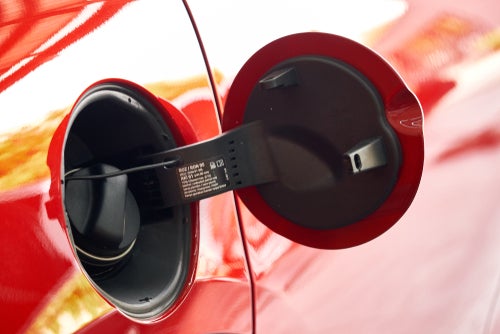
Loose or Damaged Gas Cap
One of the most common and easily fixable reasons the check engine light comes on is a loose or damaged gas cap. When the gas cap isn’t properly sealed, fuel vapors can escape, which triggers the light. Simply tightening or replacing the cap can resolve the issue.

Oxygen Sensor Malfunction
Your Ford Explorer has multiple oxygen sensors that measure how much unburned oxygen is in the exhaust system. If one of these sensors fails, it could affect your engine's performance and fuel efficiency, triggering the check engine light.
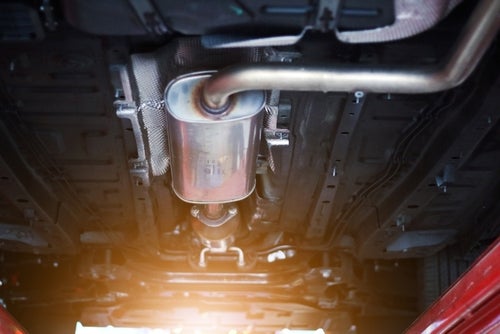
Catalytic Converter Issues
The catalytic converter is essential for reducing harmful emissions. If it becomes clogged or damaged, the check engine light will activate. Unfortunately, this can be an expensive repair, so it’s essential to address the issue promptly to prevent further damage.
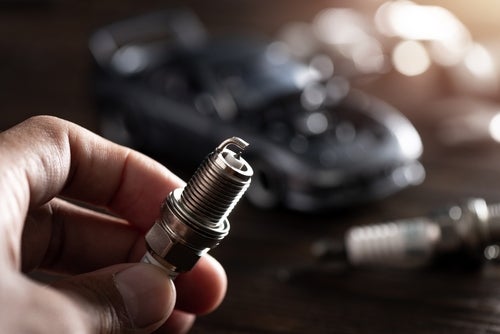
Faulty Spark Plugs or Ignition Coils
Your Ford Explorer relies on spark plugs and ignition coils to ignite the air-fuel mixture in the engine. Over time, these components can wear out and cause misfires, triggering the check engine light.
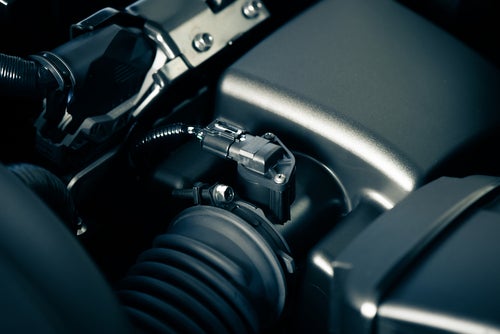
Mass Airflow Sensor Problems
The mass airflow sensor measures the amount of air entering the engine and helps determine how much fuel is needed for efficient combustion. A faulty mass airflow sensor can reduce your vehicle's fuel efficiency and may cause the engine light to illuminate.
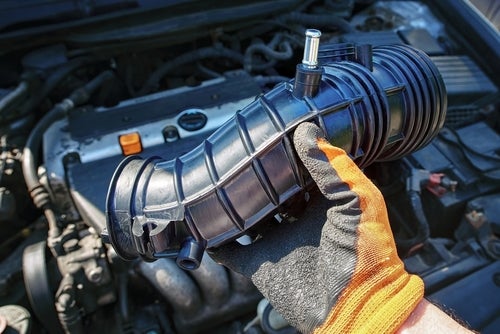
Vacuum Leak
Vacuum leaks can cause a variety of engine issues. The vacuum system helps reduce harmful emissions, but if there’s a leak, your Ford Explorer may idle erratically, and the check engine light will come on.
Ford Explorer Check Engine Light Codes
When your Ford Explorer’s check engine light comes on, it’s typically linked to one or more Diagnostic Trouble Codes (DTCs) stored in the vehicle’s onboard computer system. Each code corresponds to a specific issue, making it simple to pinpoint the exact problem. Below are five common check engine light codes seen in Ford Explorers:
P0300 – Random/Multiple Cylinder Misfire Detected
This code typically indicates that multiple cylinders in your engine are misfiring, which can lead to performance issues like rough idling or reduced power.
P0171 – System Too Lean (Bank 1)
This code means the engine is running “lean,” which means there’s too much air and insufficient fuel in the air-fuel mixture. This could be due to a faulty mass airflow sensor or a vacuum leak.
P0420 – Catalyst System Efficiency Below Threshold (Bank 1)
This code typically indicates a problem with your catalytic converter, which might be malfunctioning or not performing as efficiently as it should.
P0442 – Evaporative Emission Control System Leak Detected (Small Leak)
A small leak in the evaporative emissions system could be the reason for this code. Often, this can result from a loose or faulty gas cap.
P0128 – Coolant Thermostat Below Temperature
This code may indicate that your coolant thermostat is not functioning correctly, possibly causing your engine to run at an unusually low temperature.
These are just a few examples of the many DTCs your Ford Explorer may display. Once we retrieve the code, our team at Santee Ford can perform a thorough diagnostic to determine the cause of the issue and provide a solution.
How to Reset Your Ford Explorer Engine Light
After the underlying issue has been addressed, you may need to reset the check engine light on your Ford Explorer. While the light often turns off on its own after a repair, sometimes it stays illuminated even after the problem has been fixed. Here are the steps to reset it:
METHOD 1
Using a Diagnostic Tool
The most reliable way to reset your check engine light is to use an OBD-II scanner. At Santee Ford, our technicians use this tool to diagnose the issue and clear the code once the problem has been resolved. If you have your own OBD-II scanner, you can follow these steps:
- Plug the scanner into your Explorer’s OBD-II port (typically located under the dashboard).
- Turn on the ignition without starting the car.
- Follow the scanner’s instructions to read and clear the diagnostic trouble codes.
- After clearing the codes, restart the engine again to ensure the light stays off.
METHOD 2
Disconnect the Battery
A manual way to reset the check engine light is by disconnecting the car battery. However, this should only be used as a last resort because it can reset other settings in your vehicle, such as the radio and clock. To reset the light using this method:
- Turn off the engine.
- Use a wrench to disconnect the negative battery terminal.
- Wait 10–15 minutes.
- Reconnect the negative terminal and start your vehicle.
If the issue causing the check engine light has been fixed, the light should remain off. However, if the problem persists, the light will turn back on, indicating that further diagnostics are required. Remember, this is not recommended for beginners. If you'd prefer to have a professional reset it for you, just drop by the Santee Ford Service Center and our technicians will take care of the rest.
Why You Shouldn't Ignore the Check Engine Light
It’s tempting to ignore a check engine light if the car seems to run fine, but doing so can lead to costly problems down the road. Ignoring the light can cause:
- Worsening Issues: Small problems, like faulty sensors, can lead to significant issues, including engine damage, if not addressed promptly.
- Increased Repair Costs: The longer you wait, the more likely a minor issue will snowball into something bigger, leading to more expensive repairs.
- Reduced Fuel Efficiency: Issues like a malfunctioning oxygen sensor or catalytic converter can decrease fuel economy, leading to more trips to the pump.
- Emission Test Failure: Some states require emission testing for vehicle registration. If your check engine light is on, your Explorer may fail the test, delaying your ability to register the vehicle.
Count on Santee Ford for Ford Explorer Check Engine Light Service
Don’t let the check engine light cause unnecessary stress. At Santee Ford, we’re here to help diagnose and repair any issue your Ford Explorer may face. Our technicians are certified and trained specifically to work on Ford vehicles, including the Explorer. We use the latest diagnostic equipment to read your vehicle’s trouble codes and identify the root cause of the issue.
The dedicated staff in our service department is here to help you get back on the road fast with certified check engine light service and diagnostics. If you have any questions, feel free to contact us at any time. Visit us today or schedule an appointment online to find a time that works best for your schedule.
FAQs
What does the check engine light mean on a Ford Explorer?
The check engine light indicates that the car's computer has detected an issue. It could range from something minor, like a bad gas cap, to more serious problems, such as a faulty catalytic converter or oxygen sensor. When the light illuminates on your Explorer’s dashboard, it’s essential to get it checked to prevent potential damage.
Why is my Ford Explorer's check engine light flashing?
A flashing check engine light indicates a severe issue that requires immediate attention. In most cases, it signals an engine misfire, which can lead to catalytic converter damage if not addressed quickly. If your light is flashing, it’s recommended to reduce your speed, avoid driving long distances, and bring your Ford Explorer in for diagnostics and repairs as soon as possible.
How long can I drive my Ford Explorer with the check engine light on?
There’s no definite answer to how long it’s safe to drive with the check engine light on. Because each check engine code has its own severity level, it’s difficult to predict how many miles you can drive with it on. If you have a flashing or blinking check engine light, however, you should immediately pull over and not drive any further.
Will the check engine light reset itself?
In some cases, the check engine light on your Ford Explorer will reset itself if the underlying issue has been resolved, such as tightening a loose gas cap. It will usually shut off after driving about 20-40 miles. If you still notice the yellow light after driving over that amount, you should bring your vehicle by Santee Ford so the diagnostic trouble codes (DTCs) can be double-checked and reset.
How much does it cost to get my engine light checked?
Getting your engine light checked generally costs between $88 and $111. The good news – in most cases, Santee Ford offers complimentary multi-point inspections and engine diagnostics to help determine the root cause of your check engine light.