Ford Ranger Check Engine Light
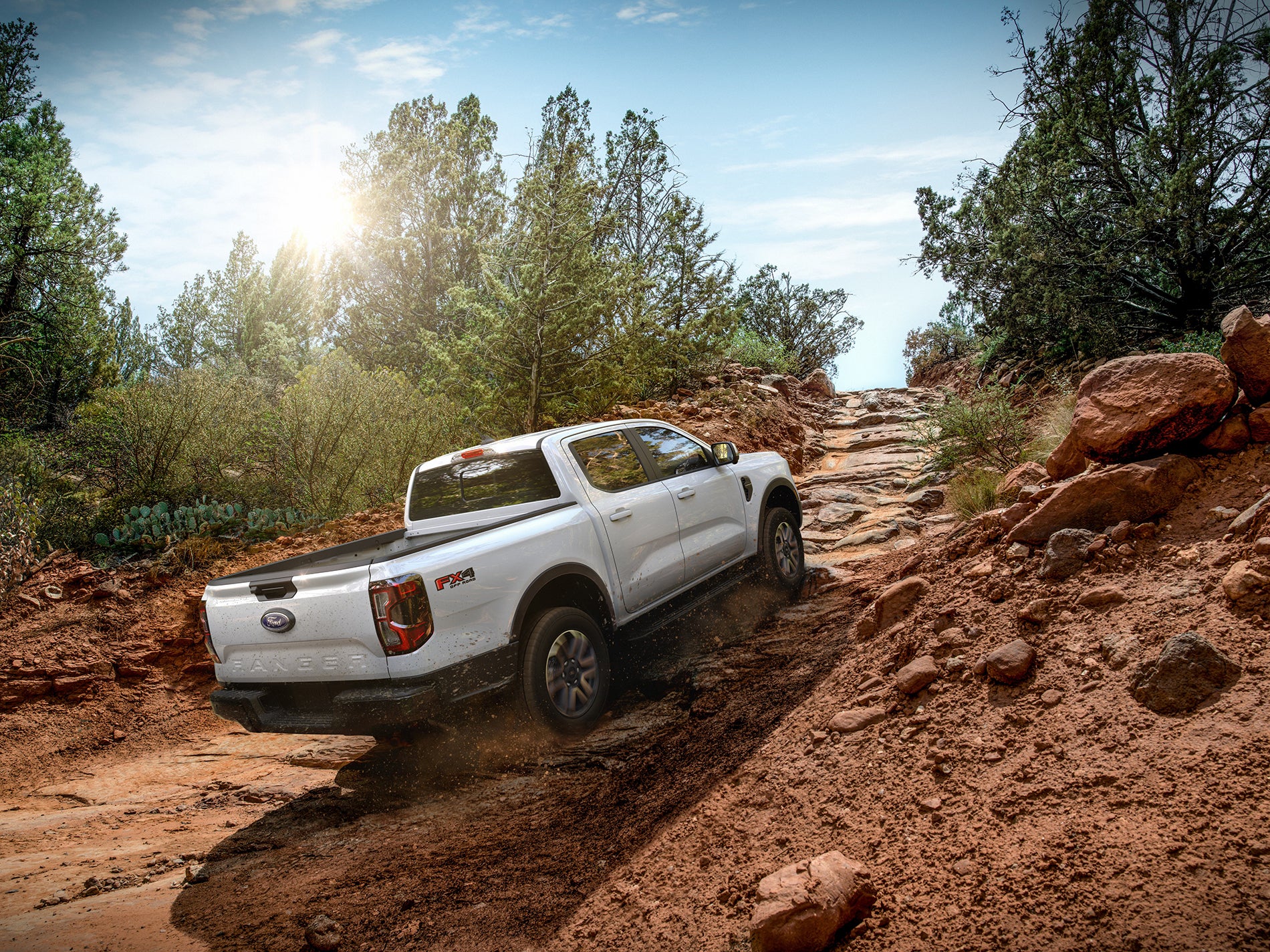
You're hitched up, loaded, and halfway through a job site run when the check engine icon lights up on your Ranger's dash. While this may be frustrating for any Ford, for a work truck you may be relying on for towing, hauling, or getting to the next job, it can be disastrous.
The check engine light is part of your Ford Ranger's onboard diagnostics (OBD) system, constantly monitoring the engine, transmission, and other components in the background. When something falters or falls outside the normal range, the truck logs a code into its system and lets you know with that little amber icon.
While the check engine light doesn't always mean something's seriously wrong, it's also not something to put off, especially if you're towing heavy loads or running the truck hard.
Here, our team at Santee Ford will break down what typically triggers the check engine light on the Ford Ranger, what's specific to its turbocharged engine, and what to do next.
Flashing vs. Steady Ford Check Engine Light
Seeing the check engine light illuminate on your dashboard tends to be enough of a sign to cause panic, but the behavior of the light itself can tell you how urgent the issue is and how much you need to actually worry.
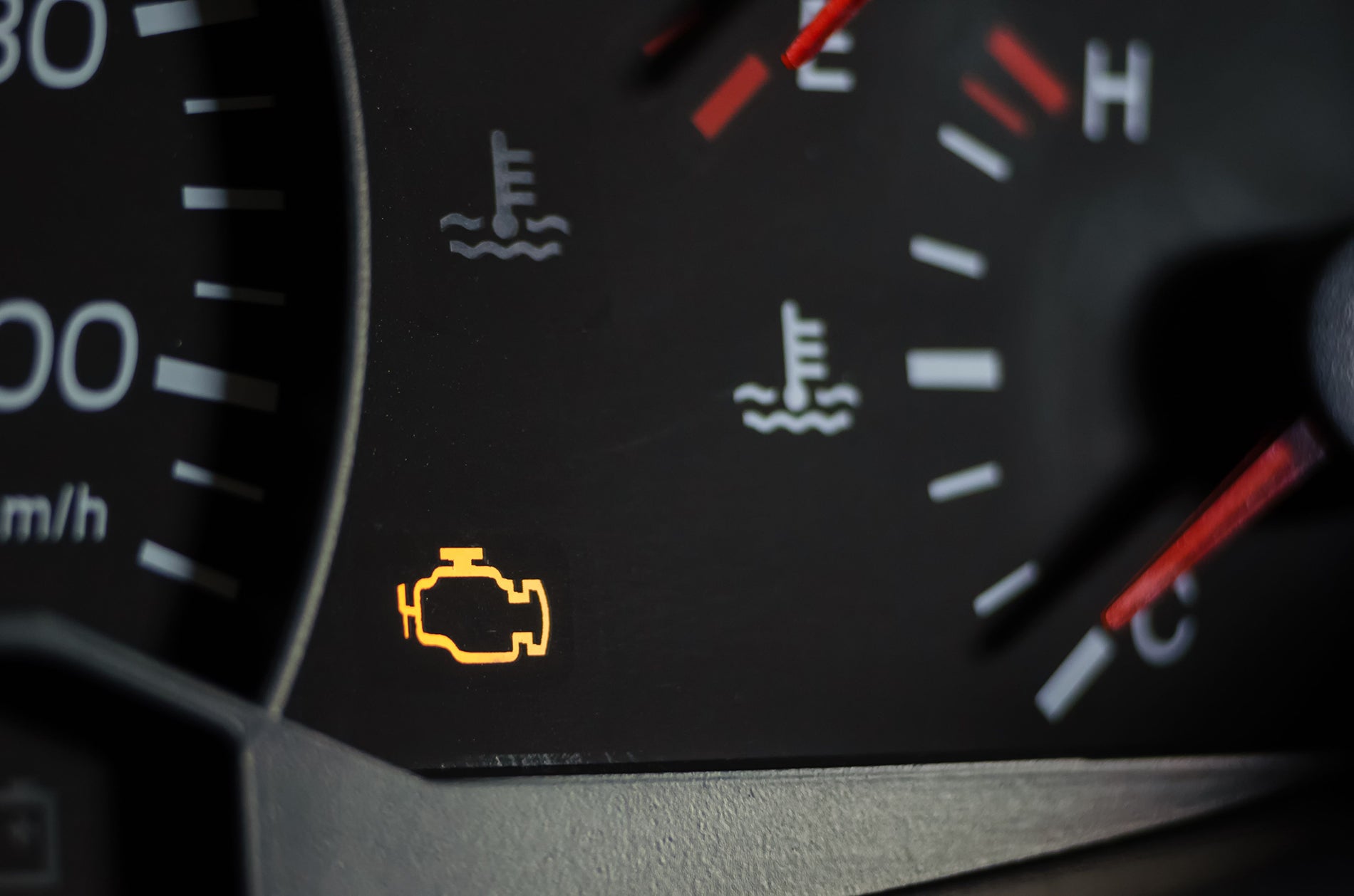 The behavior of the check engine light — steady or flashing — tells you how urgently your Ranger needs attention.
If your Ranger's check engine light stays on, it indicates that something needs attention, but it's generally safe to keep driving. You'll want to schedule a service appointment in the very near future, though.
If your check engine light begins to flash, it's a signal that there's a severe problem within your engine, such as an engine misfire that can cause irreparable damage if not handled immediately. If this happens, ease off the throttle and get your truck to our service center as soon as possible.
Common Causes of a Ford Check Engine Light
A handful of issues can account for most check engine light triggers, and the Ranger is no exception:
One of the most common and easily fixable causes of an illuminated check engine light is a loose or damaged gas cap. When the gas cap isn't properly sealed, fuel vapors can escape, triggering the light. Simply tightening or replacing the cap will fix the issue.
Your Ford Ranger has multiple oxygen sensors that measure the amount of unburned oxygen in the exhaust system. If one of these sensors fails, it could affect your engine's performance and fuel efficiency, triggering the check engine light.
The catalytic converter is essential for reducing harmful emissions. If it's damaged or clogged, the check engine light will activate. Unfortunately, this repair can be expensive, so it's important to address the issue quickly to prevent further damage.
Your Ford relies on spark plugs and ignition coils to ignite the air-fuel mixture in the engine. Over time, these components can wear out and cause misfires, which will trigger the check engine light.
The mass airflow sensor measures the air entering the engine and helps determine the fuel required for efficient combustion. A faulty mass airflow sensor can reduce your vehicle's fuel efficiency and may cause the engine light to come on.
Vacuum leaks can cause a variety of engine issues. The vacuum system helps reduce harmful emissions, but if there's a leak, your Ranger may idle erratically, which can be particularly noticeable when the truck is stopped or idling under load.
The 2.3L EcoBoost Engine: What's Different about the Ranger
Since its resurrection in 2019, the Ranger has run Ford's turbocharged 2.3-liter EcoBoost four-cylinder powertrain–the same engine family found in beloved Ford favorites like the Mustang, Bronco, and Explorer ST.
While strong and reliable, the turbocharged engine isn't untouchable when it comes to engine issues:
Ranger owners with engine troubles often report that a failing MAF sensor was the culprit. Responsible for measuring the amount of air entering the engine and therefore helping your Ranger's internal computer deliver the correct amount of fuel, a failing MAF sensor can result in rough idling, black exhaust smoke, and a check engine light on the dashboard.
Oil is your engine's life source, lubricating all the moving parts that help your Ranger perform at optimal levels and preventing expensive repairs down the road. However, if the oil pump fails, those moving parts won't have the lubrication they need, and the engine could experience a catastrophic failure.
The Ford Ranger engine may not be immune to issues, but that doesn't mean you need to live in constant fear of failure. Many factors can contribute to your Ranger's engine troubles, from mileage to age to maintenance intervals.
Common Ford Ranger Diagnostic Trouble Codes
An OBD-II scanner reads the specific trouble code stored by the truck's computer, which narrows down the cause well before a technician even looks under the hood. Some of the codes most often seen on Rangers:
| Code | Name | Description |
|---|---|---|
| P0171 | System Too Lean Bank 1 | Potential failure of the oxygen sensor, or an issue with the air-fuel mixture |
| P0174 | System Too Lean Bank 2 | Indicates similar intake leaks or sensor issues to P0171, but affects the opposite side of the engine |
| P0300 | Random/ Multiple Cylinder Misfire Detected | Indicates an engine misfire in one or more cylinders |
| P0301-P0308 | Cylinder Specific Misfire Detected | Indicates an engine misfire in a specific cylinder, often caused by faulty spark plugs, fuel injector, or a coil pack |
| P0420 | Catalyst System Efficiency Below Threshold | Issue with the catalytic converter |
| P0455 | Evaporative Emission Control System Large Leak Detected | The fuel cap is possibly loose, or there is a larger issue with the RAM's emissions system |
| P0456 | Evaporative Emission System Leak Detected (Small Leak) | Could be a minor fuel-system leak, often related to the gas cap. |
| P0440 | Evaporative Emission Control System Malfunction | Indicates an issue with the system that captures fuel vapors to prevent them from being released into the atmosphere. |
| P0442 | Small EVAP System Leak | A minor EVAP leak that could affect fuel efficiency and emissions over time |
| P0128 | Coolant Thermostat Below Operating Temperature | A stuck-open thermostat may cause the engine to fail to reach optimal operating temperature |
| P0110-P0113 | Faulty Intake Air Temperature Sensor | Engine computer is failing to read the incoming air temperature, which could affect performance and efficiency |
| C1210 | ABS Pump Motor Overrun | Issue with the anti-lock braking system |
Resetting the Ford Ranger Check Engine Light
Once the underlying issue is resolved, you may need to reset the check engine light on your Ford Ranger. While the light often turns off on its own after a repair, this is not always the case, and it may need to be reset manually.
There are two ways to reset the dashboard light: using a diagnostic tool or disconnecting the battery.
The most reliable way to reset your check engine light is to use an OBD-II scanner. At Santee Ford, our technicians use this tool to diagnose the issue and clear the code once the problem has been resolved. If you have your own OBD-II scanner, you can follow these steps:
- Plug the scanner into your Explorer's OBD-II port (typically located under the dashboard).
- Turn on the ignition without starting the car.
- Follow the scanner's instructions to read and clear the diagnostic trouble codes (DTCs).
- After clearing the codes, turn the vehicle off and back on to ensure the light remains off.
One way to reset the check engine light is to disconnect the car battery. However, this should be used only as a last resort, as it may reset other settings in your vehicle, such as the radio and clock. To reset the light using this method:
- Turn off the engine.
- Use a wrench to disconnect the negative battery terminal.
- Wait 10–15 minutes.
- Reconnect the negative terminal and start your vehicle.
If the issue causing the check engine light has been fixed, the light should remain off. However, if the problem persists, the light will turn back on, indicating that your vehicle needs further diagnostics.
Towing, Payload, & Off-Road Triggers
Unlike your family-friendly SUVs or sporty sedans, the Ranger truck regularly works for a living. However, a working ride tends to add a few check engine light triggers to the list that don't apply to lighter-duty vehicles.
Hauling heavy loads puts more strain on the engine and transmission, which can result in a sensor or cooling issue. If this occurs, seek professional guidance, but be sure to let them know that the light came on while towing or right after towing. This information will help narrow down the diagnostic issues to help our team pinpoint the problem.
The Ranger can handle a lot when it comes to towing and payload, but consistently giving it more than it can handle puts undue strain on the engine, transmission, and emissions components. This extra strain can trigger error codes and cause a check engine light to come on, even when nothing is technically wrong.
While some trucks have specific models and features built for the backroads, too much of a good thing can be not-so-good for your engine. The MAF sensor and exhaust sensors can be affected by dust or water if you spend more time off the pavement than on it.
Ford Check Engine Service at Santee Ford
At Santee Ford, we know how crucial it is to keep your Ford running at its best. If your check engine light comes on, don't wait! Bring your vehicle to our service center as soon as possible. Our team of factory-trained technicians is equipped to handle all types of diagnostics and repairs. We'll quickly identify the issue and work with you to get your Ranger back on the road safely and efficiently.
Schedule a service appointment at Santee Ford today, or give us a call at 803-566-0170. We're here to help!
For additional information on engine issues for other Ford vehicles:
- Ford F-150 Check Engine Light
- Ford Explorer Check Engine Light
- Ford Escape Check Engine Light
- What is an Engine Misfire
FAQs
It means the truck's onboard computer has detected something operating outside its expected range. This could be anything from a loose gas cap to an EGR issue. A scan tool is needed to identify the specific cause.
It depends on the cause, which is exactly why it's worth getting scanned before your next haul. A minor issue is usually fine in the short term, but anything related to the transmission, cooling system, or turbo can worsen under towing loads.
A flashing light indicates a severe, active issue, most often a misfire serious enough to risk catalytic converter damage. Reduce speed, avoid towing, and get it in for diagnostics as soon as possible.
Sometimes. If the issue was minor (like a loose gas cap) and has been resolved, the light can turn off on its own after roughly 20–40 miles of driving. If it's still on after that, the code should be rechecked.
Diagnostic costs typically run in the $90–$115 range, though Santee Ford frequently offers complimentary multi-point inspections and engine diagnostics to help pin down the cause.